 Every Ribbon for a Cause purchase gives back! 10% of your entire order helps support a member of the community.
Training Tips & Progressions
The Science of Grip Strength: Why Every Ninja Needs to Train Smarter
Jan
Every ninja knows the feeling — your forearms burn, your fingers start to slip, and suddenly the obstacle wins.
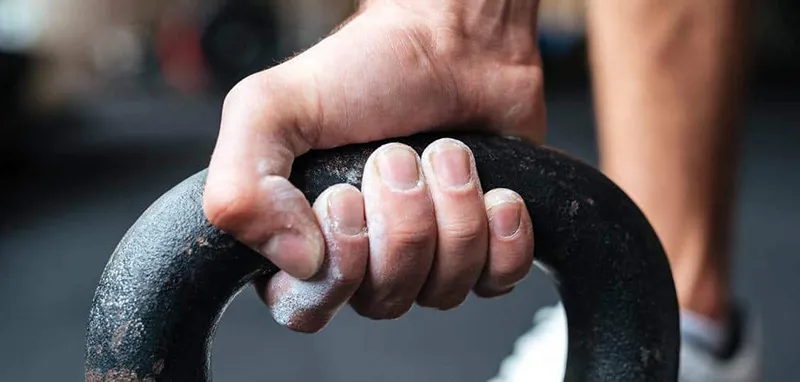
Grip strength is the foundation of every great ninja athlete. It’s the invisible link between power and precision, control and creativity. But to truly excel, grip training must go beyond endless hangs — it’s about training smarter, not just harder.
Grip Strength 101: The Foundation of Every Obstacle
Before you conquer the course, you have to conquer the hold.
There are four main types of grip that every ninja develops:
- Crush Grip — The power to squeeze, used for handles and bars.
- Pinch Grip — Thumb-to-finger pressure used on cliffhangers or slopers.
- Support Grip — Sustaining your own body weight during hangs or swings.
- Open-Hand Grip — The control needed for dynamic moves like flying bars and transitions.
Each grip type challenges different muscles in your hands, wrists, and forearms — and mastering them is key to consistency and endurance on any course.
The Biomechanics Behind the Hold
Grip strength doesn’t come from your hands alone.
It’s powered by a network of forearm flexors, tendons, and stabilizing muscles that coordinate with your shoulders and core.
When you hang, swing, or catch, your body engages dozens of muscles to maintain control and absorb force. That’s why effective grip training improves more than just your hands — it enhances total upper-body performance and coordination.
Think of it as the foundation for every move you make in ninja.
Training Smarter, Not Harder
Many athletes overtrain grip without realizing it. Endless dead hangs or heavy lifts can lead to overuse injuries and plateaus.
Smarter training focuses on progressive overload — small, intentional increases in difficulty combined with proper rest and recovery.
Alternate between static holds, dynamic swings, and controlled transitions to engage different grip patterns.
Simple drills like timed hangs, controlled lache catches, or fingertip support work can be more effective than hours of repetition.
Recovery days matter too — grip strength builds during rest, not just training.
Tools of the Trade
At Ninja Strong, we design obstacles that develop grip naturally while improving control, accuracy, and adaptability.
Some of our favorites for grip progression:
- Cliffhangers: Train finger and pinch strength on narrow ledges.
- Fidget Spinner: Build reactive grip strength with unpredictable spins.
- Battle Axe: Test your swing control and endurance through every transition.
Each obstacle includes a QR training tag linking to setup guides and drills so athletes can progress safely and effectively.
Grip isn’t just about strength — it’s about skill.
Avoiding Overuse and Injury
The most common ninja injuries stem from one thing: overdoing it.
Tendons and connective tissue take longer to adapt than muscles. To stay strong long-term, focus on mobility, warmups, and recovery.
- Warm up hands and wrists before each session.
- Use rice bucket or resistance band exercises for tendon care.
- Stretch fingers and forearms after training.
- Listen to your body — small tweaks now prevent major setbacks later.
Stronger grip comes from balance — push hard, but recover harder.
Train Smarter. Grip Stronger.
Grip strength separates good ninjas from great ones — but how you build it matters most.
Train with purpose. Recover with patience. And use equipment that’s made to evolve with you.
Shop Ninja Strong grip obstacles
and take your hold to the next level.
